The TNMOC/London Mathematical Society Conference
16-18 September 2026
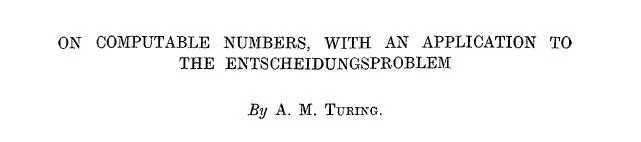
The National Museum of Computing and the London Mathematical Society present a prestigious programme of talks by internationally-renowned thinkers in fields inspired by Alan Turing's 1936 paper. On this page, you will find details of:
The conference programme
The public lecture
The speakers
The venue
The key dates
The portal for Early Career Researcher bursary applications
Arrangements for Registration
As further information becomes available, more details will be added from time to time. Keep an eye open for updates.
Conference Registration
Conference programme
The conference will consist of:
Seven plenary lectures by invited speakers, each of whom is a leading thinker in an area connected to On Computable Numbers
Two panel sessions, allowing discussion among experts in the topics of Decidability and Historical Impact
A poster session to present the work of early career researchers
In addition, we will offer:
Free admission to Bletchley Park and The National Museum of Computing
An option for a guided tour of Bletchley Park
An option to participate in the Conference Dinner
Sandwich lunches and tea/coffee breaks are included in the Registration fee.
Accommodation and support for visa applications (where necessary) are not provided. A list of suggested hotels will be published here in due course.
This is the expected programme as of July 2026.
| Wednesday 16 September 2026 | |
| 1000 | Pre-registration (and left luggage) opens for early arrivers |
| Option for self-guided entry to Bletchley Park after pre-registration | |
| 1300 | Registration |
| 1330 | Conference begins Welcome to Bletchley Park and housekeeping Formal Opening of Conference by TNMOC and LMS |
| 1345 | Invited Speaker 1: Professor Rod Downey Abstract:Turing’s 1936 paper is one of the seminal papers of the
20th Century. In this talk I will discuss its origins, discuss its impact
and look at various developments arising from the ideas of the
paper. In particular, I will discuss how it aected the architecture of
mathematics (particularly logic) and computer science. The talk will
be suitable for a lay mathematical and computer science audience. |
| 1445 | Invited Speaker 2: Professor Verónica Becher Abstract: Alan Turing's first algorithm for computing real numbers
wasn't in "On Computable Numbers"—it was written on the back of
a typewritten, one-sided copy of that paper. In a manuscript from
presumably 1937, titled "A Note on Normal Numbers," Turing gives
an exponential-time construction of real numbers normal to every
integer base. The manuscript remained unpublished until Turing's
1992 Collected Works. This talk reconstructs Turing's original
algorithm with necessary corrections, and speculates why he set it
aside. |
| 1545 | Break |
| 1615 | Panel 1: Decidability (moderated by Dr Paul Shafer) |
| 1715 | End of day 1 formal proceedings |
| 1730 | Speakers’ bus to hotel |
| 1900 | Conference dinner (at Unity Place, CMK) |
| Thursday 17 September 2026 | |
| 0930 | Registration desk open |
| 0930 | speakers’ bus from hotel |
| 1000 | Invited Speaker 3: Professor Michael Rathjen Abstract: ‘Turing's thesis and beyond.’ In his Princeton PhD thesis,
Alan Turing pioneered a method to surmount Gödelian
incompleteness by adding axioms (infinitely often) that "ought to"
be accepted but are otherwise unprovable. This approach yielded a
remarkable completeness theorem for statements resembling the
syntactic form of Fermat's Last Theorem. Turing's ideas were greatly
expanded 30 years later by Solomon Feferman. |
| 1100 | Break |
| 1130 | Invited Speaker 4: Professor Julia Knight Abstract: Turing’s ideas, from the paper “On computable numbers,”
form the basis for the cell phones that we all carry, and for the work
that I do, which involves describing specific structures and
comparing “classification problems” for classes of structures. Most
of the talk will be devoted to basic notions and old results, but I plan
to include some new work, joint with David Gonzalez and Turbo Ho,
on the Farey graph and the class of models of its elementary first
order theory. We show that the Farey graph has a computable Π2
Scott sentence—simplest possible for an infinite structure, while
the class of models of the theory lies on top under Borel
reductions—maximally complicated. |
| 1230 | Lunch and Poster Session featuring work of Early Career Researchers |
| 1400 | Invited Speaker 5: Professor Juliet Floyd Abstract: Turing’s 1936 paper brings the human into the heart of the
analysis of the notions of information and computation. This
fundamental philosophical and foundational step, influenced by
and influencing Wittgenstein, remains of fundamental importance
for our time. It speaks to the question of the autonomy of
mathematics as a human set of practices, as well as the issue of
which fundamental mathematical discoveries will probably never
be attained by the uses of current AI methods. |
| 1500 | Break |
| 1530 | Panel 2: Historical perspective (moderated by Sir Dermot Turing) |
| 1630 | End of day 2 formal proceedings |
| 1700 | Registration for Public Lecture |
| 1730 | Public Lecture by Professor Avi Wigderson (for general audience –
separate booking required) Title: Reading Alan Turing Abstract: will discuss some well-known and less-known papers of
Turing, exemplify the immense scope of deep, prescient ideas he
put forth, and some of their impact. No special background will be
assumed. |
| 1830 | End of public lecture; speakers’ bus to hotel |
| Friday 18 September 2026 | |
| 0930 | Registration desk open |
| 0930 | speakers’ bus from hotel |
| 1000 | Invited Speaker 6: Professor Alexandra Shlapentokh Abstract: ‘Hilbert’s 10th problem over Q and big rings.’ The proof
that Hilbert’s 10th problem is unsolvable over Z by Matyasevich,
Robinson, Putnam and Davis left open the analogous question for
the field of rational numbers. In other words we still don’t know if
there exists an algorithm to determine whether an arbitrary
polynomial equation with integer coeicients has solutions in
rational numbers. To the best of knowledge of this speaker most
researchers in the area believe the answer is “No”. The problem of Q
proved to be quite diicult and several approaches have been
developed to approach it. |
| 1100 | Break |
| 1130 | Invited Speaker 7: Professor Avi Wigderson |
| 1230 | Introduction to Bletchley Park |
| 1300 | Formal close of conference |
| 1310 | Lunch |
| 1330 onwards |
Self-guided entry to TNMOC and Bletchley Park |
| [1400] | Guided Tour of Bletchley Park for ticket-holders |
| [1500] | Guided Tour of Bletchley Park for ticket-holders |
| 1600 | Museums close |
The full programme can be downloaded by clicking the button below.
Public Lecture
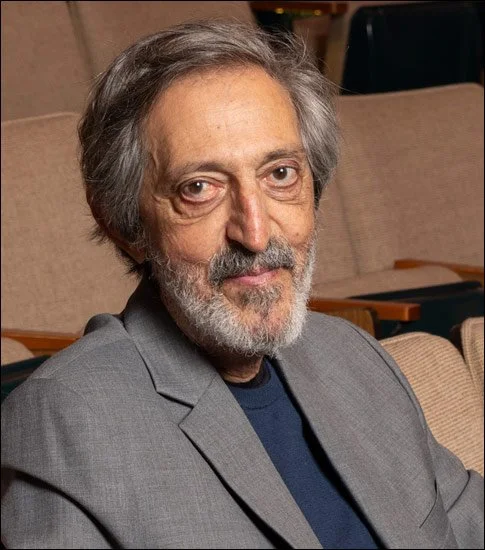
Professor Avi Wigderson - Institute for Advanced Study, Princeton
We are delighted to announce that Professor Avi Widgerson has agreed to present a public lecture on Thursday 17 September 2026, aimed at a more general audience. His topic will be Reading Alan Turing.
Synopsis: Turing did not write much, but his papers were a marvel of eloquence, and reveal his remarkable breadth of interests. More importantly, they contain prescient, revolutionary ideas which literally changed the world, several times over. In this talk I will describe some of these ideas and their impact.
Speakers
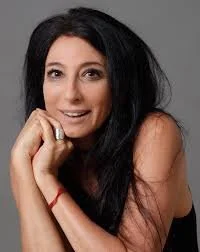
Professor Verónica Becher - Universidad de Buenos Aires
Verónica Becher is a full professor in the School of Exact and Natural Sciences at the University of Buenos Aires (UBA) and a Principal Researcher at Argentina’s National Research Council (CONICET). She earned her undergraduate degree and PhD in Computer Science at UBA, with a Master of Science from the University of British Columbia, Canada, in between.
She founded and directs the KAPOW! Research Group at UBA, leads a team in the SINFIN International Research Program (Université Paris Cité-CNRS / UBA-CONICET), and has been a regular invited researcher at the Institut de Recherche en Informatique Fondamentale (IRIF), Université Paris Cité & CNRS, since 2002.
Her research lies in discrete mathematics and theoretical computer science, particularly combinatorics on words, algorithmic randomness, and uniform distribution modulo one. She is a specialist on normal numbers — real numbers whose digits contain every finite pattern of equal length with the same asymptotic frequency. She designed polynomial-time algorithms for computing normal numbers and constructed normal numbers with additional mathematical properties. One of her early contributions was the reconstruction of a long-lost Turing manuscript, found tucked behind the galley proofs of his 1936 paper "On Computable Numbers," containing an exponential-time algorithm for computing normal numbers.
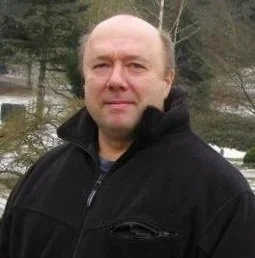
Professor Rod Downey - Victoria University of Wellington
Professor Rod Downey is based in Victoria University, Wellington, New Zealand. He works in computational complexity and mathematical logic, particularly the theory of computation. With Mike Fellows, he is known for founding the area of parameterized complexity, and he is known for his work calibrating the computational aspects of algebra, analysis and algorithmic randomness. These are all areas whose roots go back to Turings seminal 1936 paper, so we see repercussions today. This direct line can be seen in Downeys edited volume Turings Legacy. Downey has published some 300 research papers, 7 monographs and edits 8 journals. He has won many prizes for his work including a Rutherford Prize, a Humboldt Research Prize, Barry Cooper Prize and most recently a Kalman Best Paper Prize. He has given an invited lecture at the International Congress of Mathematicians, is New Zealand’s only Fellow of the ACM, and is a Fellow of several other academies including the AMS, and the New Zealand Royal Society.
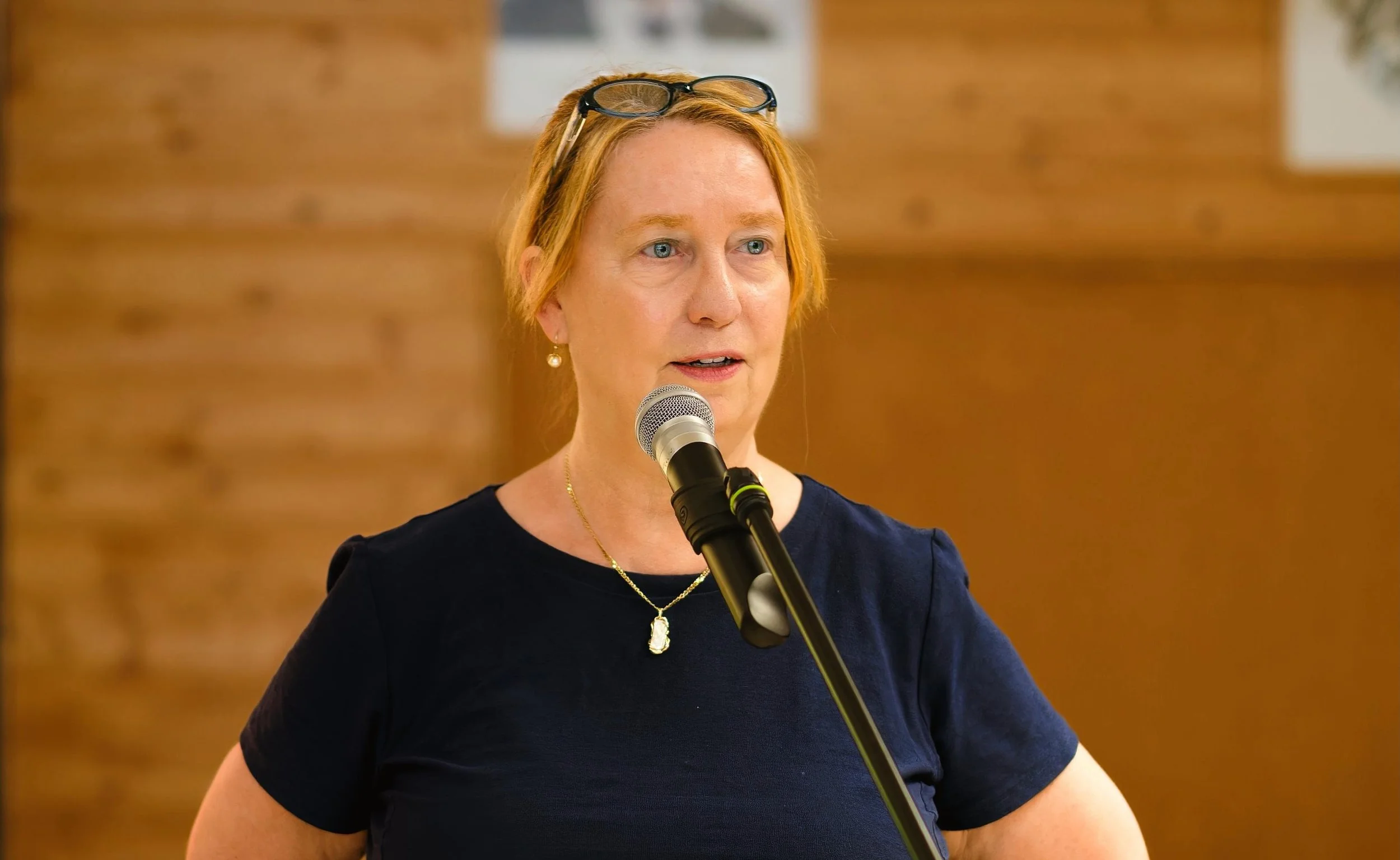
Professor Juliet Floyd - Boston University
Juliet Floyd is Borden Parker Bowne Professor of Philosophy at Boston University and director of the Boston University Center for the Humanities (https://www.bu.edu/humanities/). Her research spans the history and development of 20th century analytic and American philosophy and logic, ordinary language philosophy, and philosophies of computational and emerging media. She has published two volumes on Wittgenstein (Wittgenstein on Mathematics, Cambridge, 2021, Wittgenstein’s Remarks on Hardy’s Course of Pure Mathematics (with Felix Mühlhölzer, 2020), over one hundred articles on many philosophers from Kant to the present day, and co-edited the volumes Future Pasts: The Analytic Tradition in 20th Century Philosophy (with S. Shieh, Oxford 2001), Philosophy of Emerging Media (with James E. Katz, Oxford, 2016), Philosophical Explorations of the Legacy of Alan Turing (with A. Bokulich, Springer, 2017), Perceiving the Future Through New Communication Technologies (with James E. Katz and Katie Schiepers, Springer, 2021), Stanley Cavell’s Must We Mean What We Say? at Fifty (with Greg Chase and Sandra Laugier, Cambridge, 2022) and Nudging Choices Through Media – Ethical and Philosophical Implications for Humanity (with James E. Katz and Katie Schiepers, Springer, 2023).
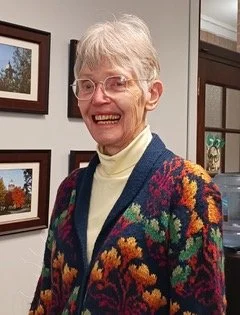
Professor Julia Knight - University of Notre Dame
Knight’s thesis advisor was Robert L. Vaught, and she started out in model theory. She was interested in infinitary logic and models of arithmetic Carl Jockusch asked some questions that caught her interest, and she began working in computable structure theory, finding connections between recursion theoretic complexity and definability. Most of her research, and that of her 19 PhD students, is in this area. Currently, she is working on Scott complexity, finding optimal infinitary descriptions, of mathematically interesting structures such as the Farey graph GF. She also works on comparing classification problems for different classes of structures, using the notion of Borel embedding, introduced by Friedman and Stanley, and related effective notions.. Turing machines and interactive (oracle) machines, as described in the paper of Alan Turing that is the subject of this meeting, are central to everything she does.
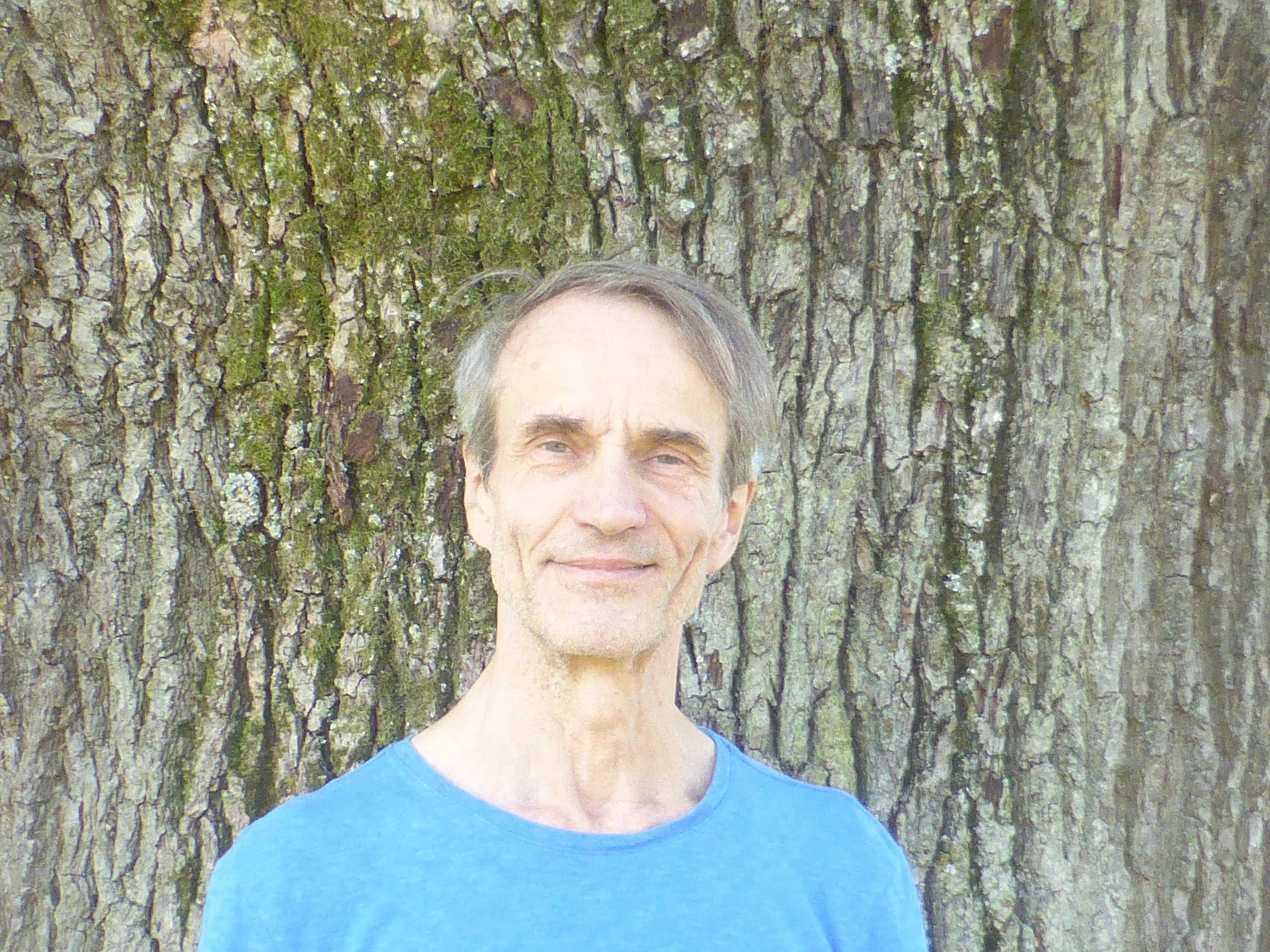
Professor Michael Rathjen - University of Leeds
Michael Rathjen was a Professor of Mathematics at the University of Leeds. He received his Ph.D. in 1988 and Habilitation in 1992 from the University of Münster. After teaching at the Ohio State University in Columbus (1991–1993), he became a Heisenberg Fellow of the German Science Foundation. In 1996 he joined the Mathematics Department of the University of Leeds. From 2002 till 2006 he was a Professor of Mathematics at the Ohio State University. His research interests include proof theory (especially ordinal analysis of impredicative theories), higher type computability, theories of truth, type theory, constructive and intuitionistic set theories, alternative set theories, and the philosophy of mathematics.
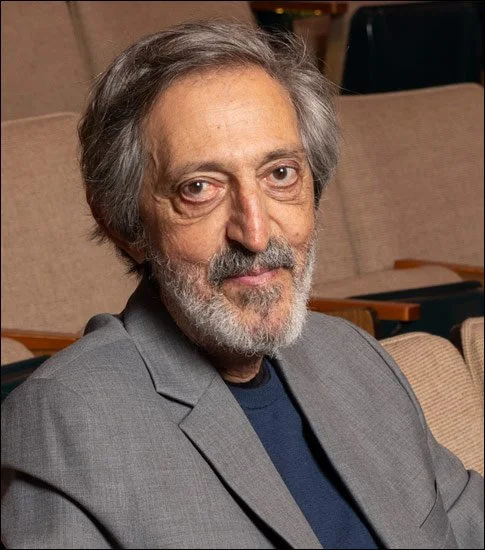
Professor Avi Wigderson - Institute for Advanced Study, Princeton
Avi Wigderson is the Herbert H. Maass Professor in the School of Mathematics at the Institute for Advanced Study (IAS). He earned his B.Sc. in Computer Science from the Technion in 1980, followed by a Ph.D. in Computer Science from Princeton University in 1983. After completing postdoctoral positions at UC Berkeley, IBM Research, and the Mathematical Sciences Research Institute (MSRI), he joined the Computer Science Department at the Hebrew University in 1986. In 1999, Wigderson became a faculty member at IAS, where he also founded the Computer Science and Discrete Mathematics program. His research spans a wide range of areas, including computational complexity theory, algorithms and optimization, randomness and cryptography, parallel and distributed computation, combinatorics, and graph theory, as well as connections between theoretical computer science, mathematics, and other scientific fields. Wigderson's influential work has earned him numerous honours, including the 2021 Abel Prize (shared with László Lovász) and the 2023 ACM A.M. Turing Award, recognizing both his foundational contributions to the theory of computation, and his decades of intellectual leadership in the field.

Dr. Alexandra Shlapentokh
I was born in 1960 in Kiev, USSR. In 1979 my family came to the US. I went to University of Pennsylvania as an undergrad, 1979-83 and to NYU, Courant Institute for my Ph.D. in Math, 1983-88. Since 1992 I have been at East Carolina University in Greenville, NC. My Ph.D. advisor Harold Shapiro wanted me to show that H10 was undecidable for rings of integers of number fields. It is nice to know that my thesis problem is finally solved (not by me).
I am married to Phil Rothman who also teaches at ECU but in the Econ Department. I have two kids: Yakov Shlapentokh-Rothman, an Assistant Professor in Math at University of Toronto and Michal Shlapentokh-Rothman who is finishing her Ph.D. in CS in Urbana-Champaign.
Conference Co-Chairs
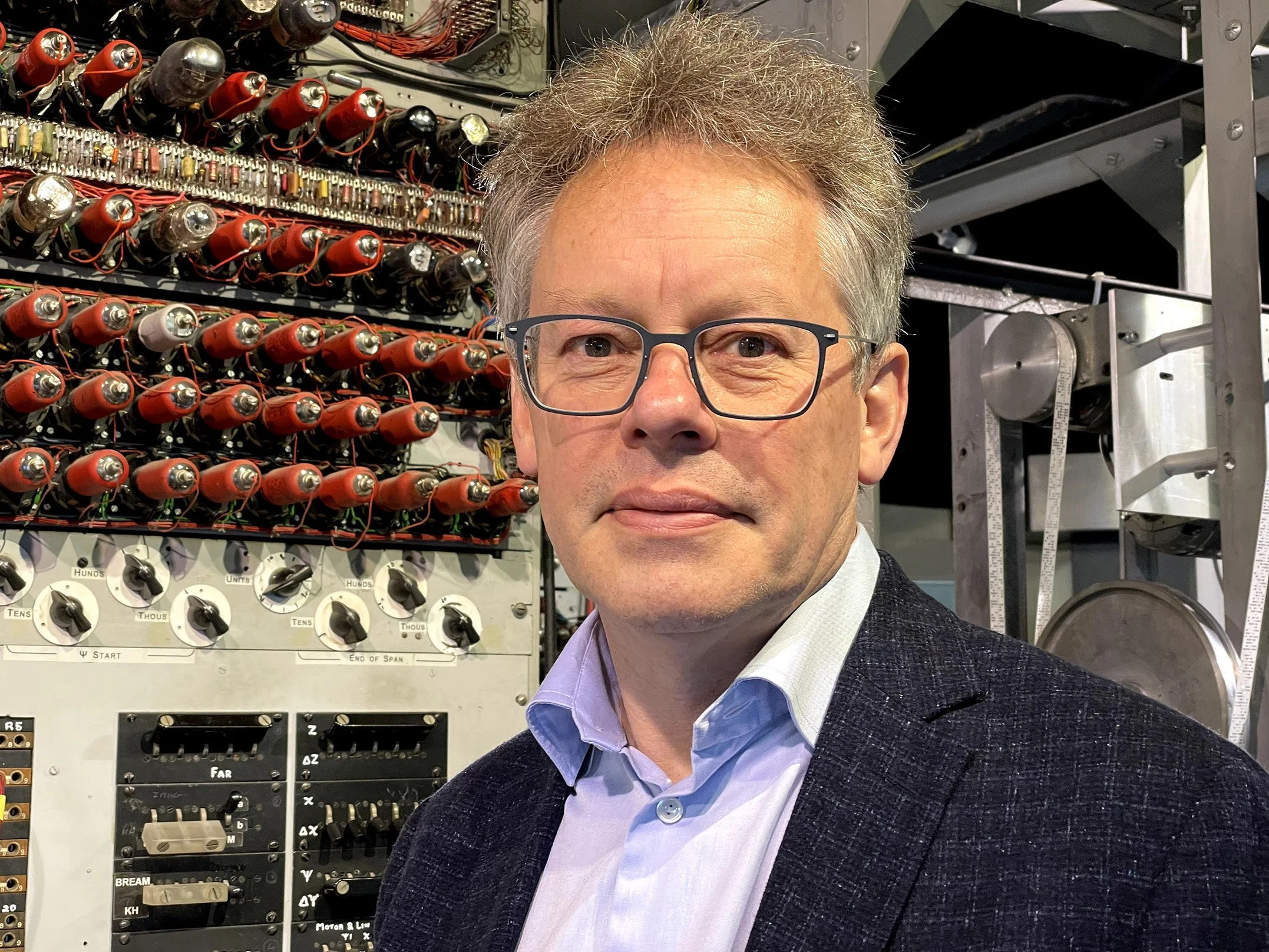
Sir Dermot Turing - The National Museum of Computing
Dermot Turing is a writer on historical subjects associated with Codebreaking in World War II, having spent the majority of his career in the legal profession. He is a trustee of The National Museum of Computing and a Visiting Fellow at Kellogg College, Oxford.
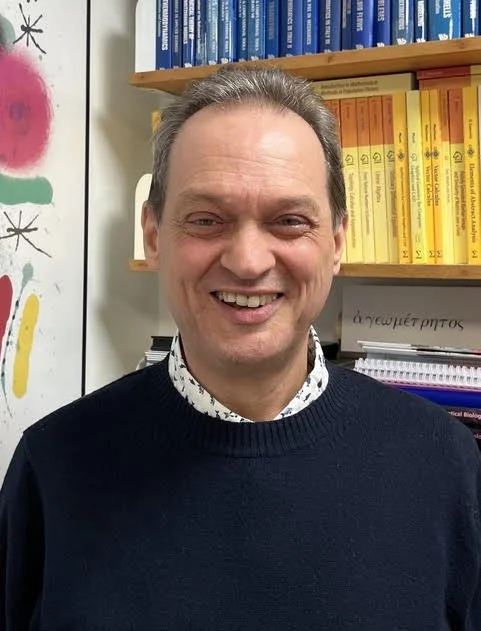
Professor Mark Chaplain, FRSE President, London MathEmatical society
Professor Mark Chaplain holds the Gregory Chair in Applied Mathematics at the University of St Andrews. His main area and current focus of research is mathematical oncology - applying mathematics to the study of cancer - a field which he has pioneered since the early 1990s. He has developed a number of important predictive mathematical models for the growth, spread and treatment of cancer, using both systems of nonlinear partial differential equations and agent-based models. He is the current President of the London Mathematical Society.
The Programme Committee
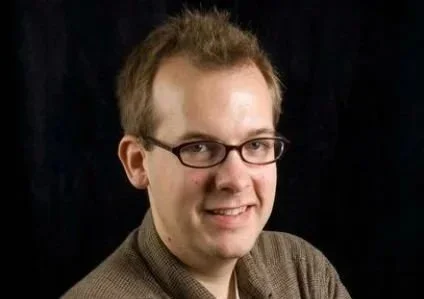
Prof. Andrew Brooks - University of Bristol
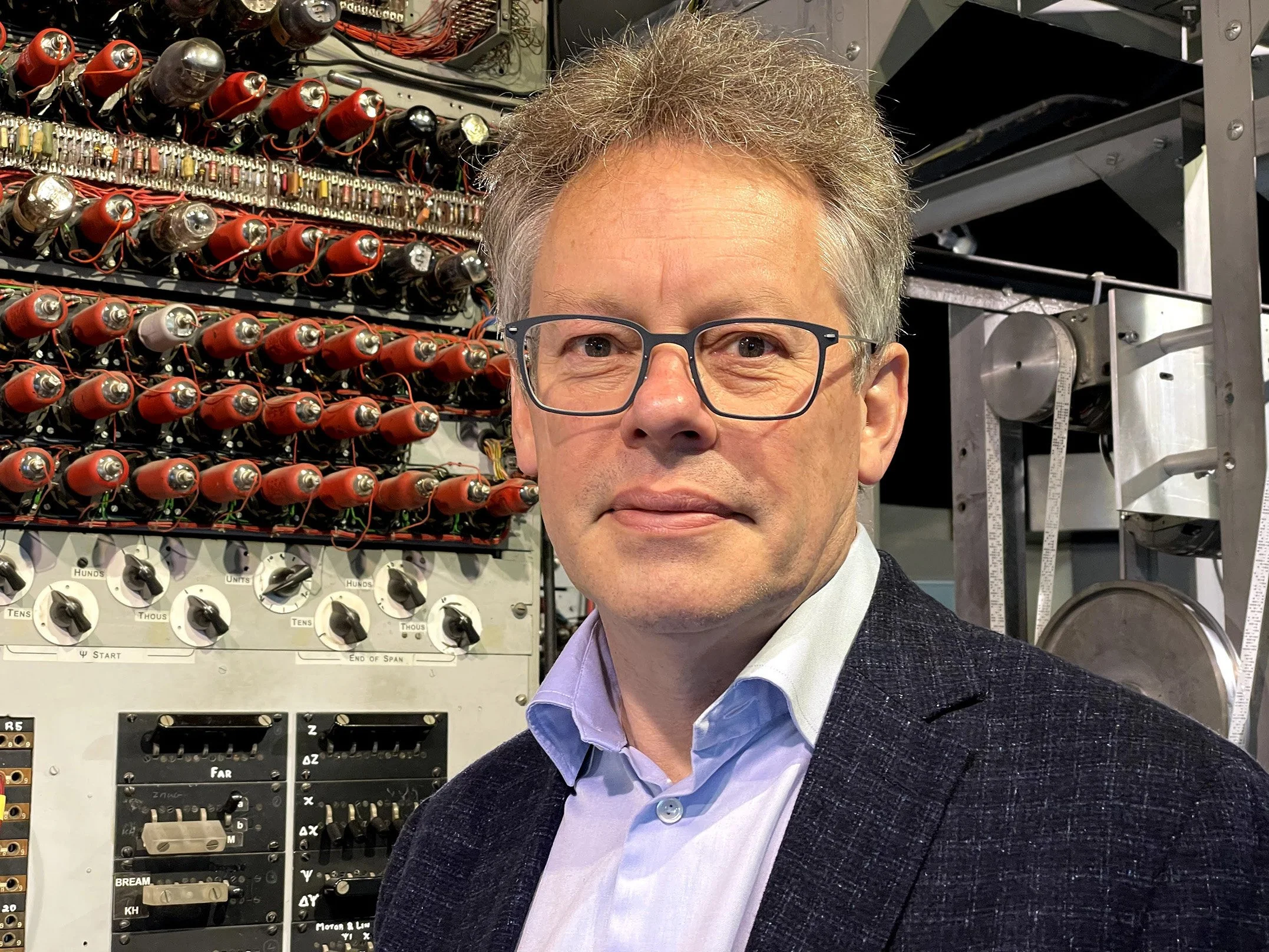
Sir Dermot Turing - TNMOC
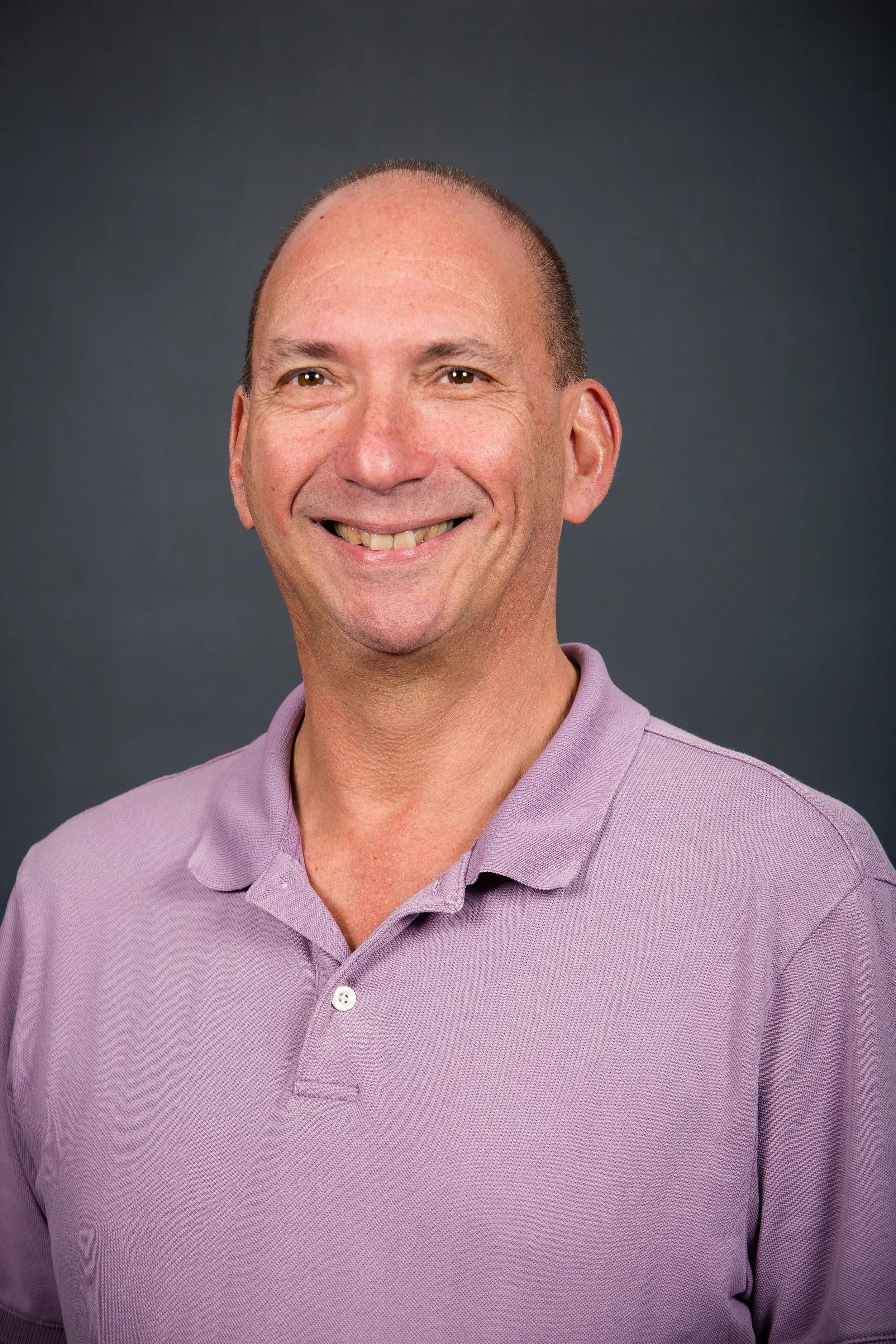
Dr Jonathan Pila - University of Oxford
The Steering Committee
-
President, London Mathematical society
-
Trustee - The National Museum of Computing
-
University of Bristol
-
University of Bristol
-
University of Zaragoza
-
London Mathematical Society
-
Director of Strategic Partnerships and Growth Initiatives - The National Museum of Computing
Discussion Panels
PANEL 1 - Decidability

PANEL MODERATOR
Dr Paul Shafer
PANEL 2 - Historical perspective
PANEL MODERATOR
Sir Dermot Turing
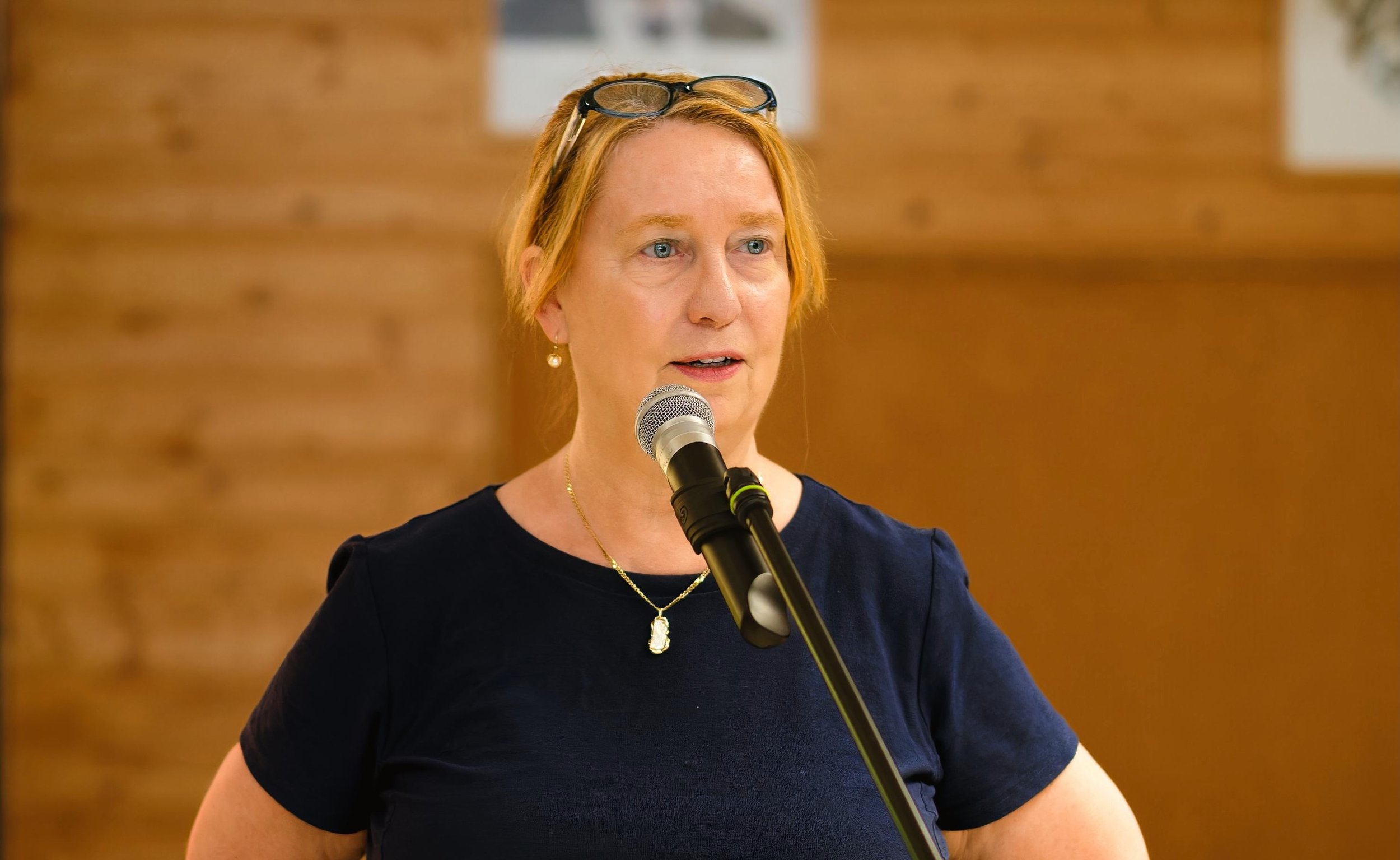
Prof Juliet Floyd
Dr Andrew Hodges
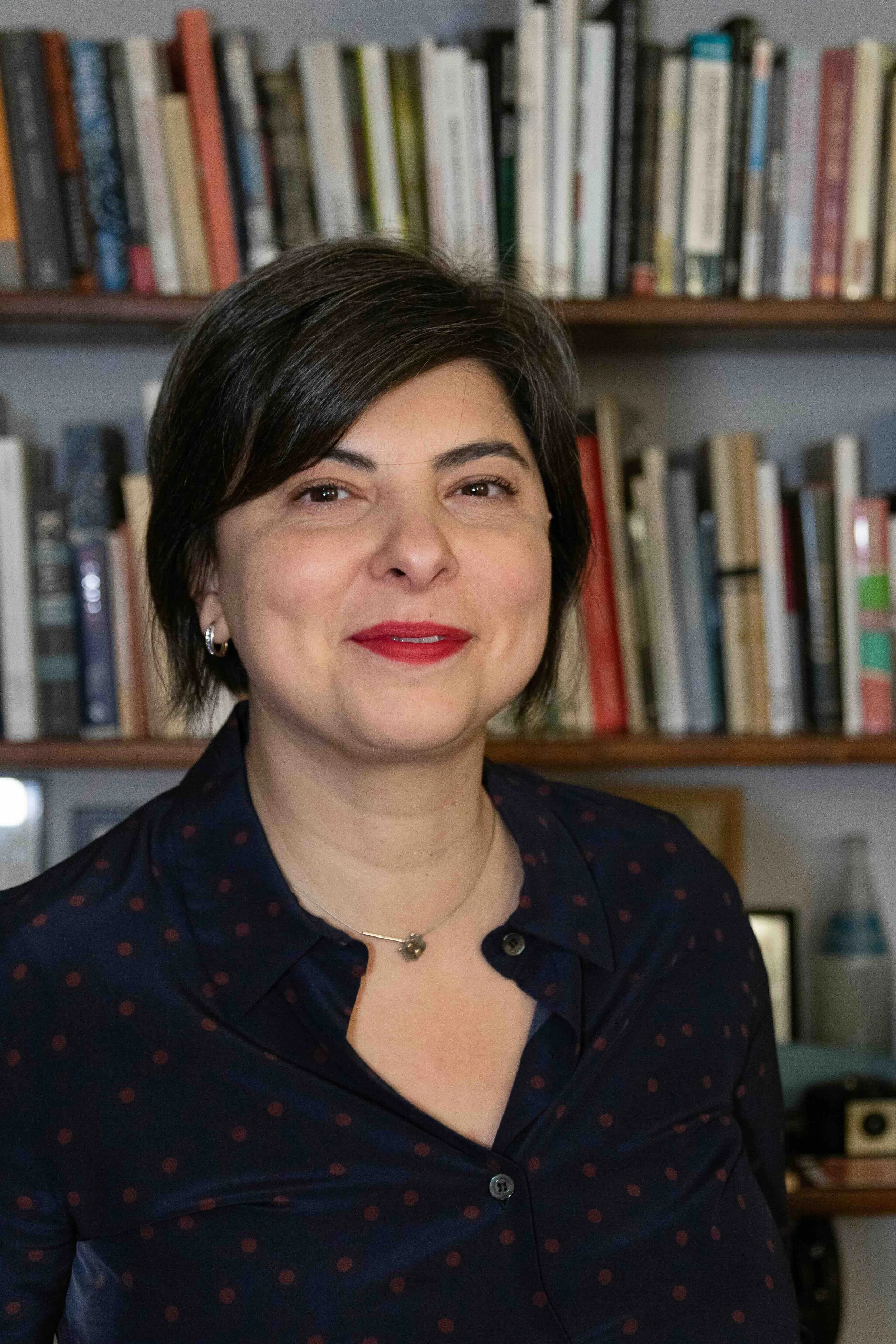
Dr Elizabetta Mori
Dr Mark Priestley
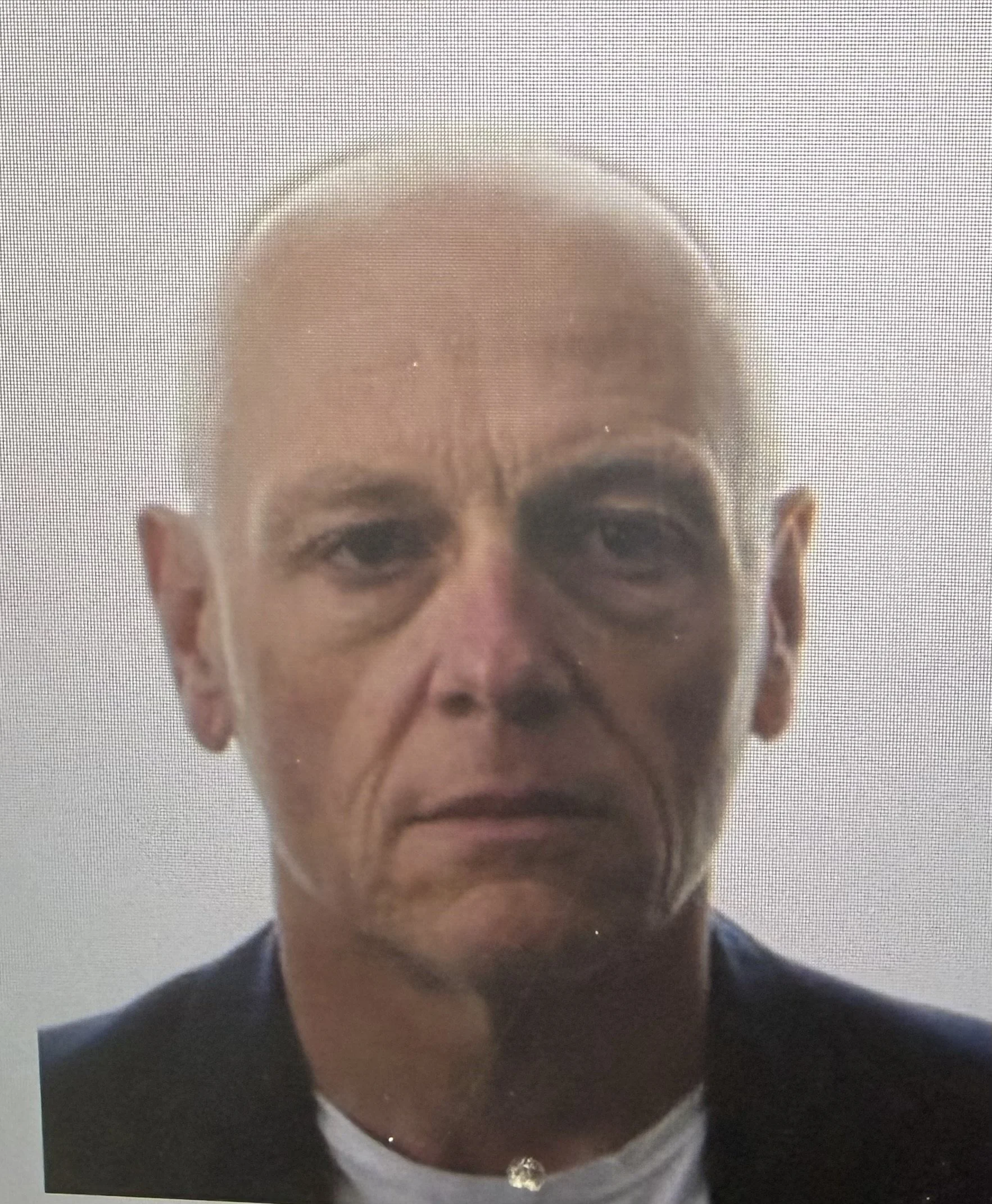
Dr Colin Williams
About the venue
Bletchley Park is the iconic centre where codes were broken during World War II and the home of The National Museum of Computing. We are delighted to be partnering with the Bletchley Park Trust to present the conference in their Fellowship Auditorium, a state-of-the-art, 250-seat presentation and event space.
The Fellowship Auditorium is located in the heart of Bletchley Park, by two world-class museums operated by the Bletchley Park Trust and The National Museum of Computing. In addition to the auditorium there is attractive space for refreshments and networking, and areas for the poster session.
The programme will include a short introduction to Bletchley Park and the work of the codebreakers, as well as the opportunity to visit and enjoy the heritage attractions at the two museums.
Bletchley Park is readily accessed by car and public transport. Bletchley train station is directly opposite the entrance to Bletchley Park, and is connected to London, Birmingham, Manchester - all UK cities with international airports.
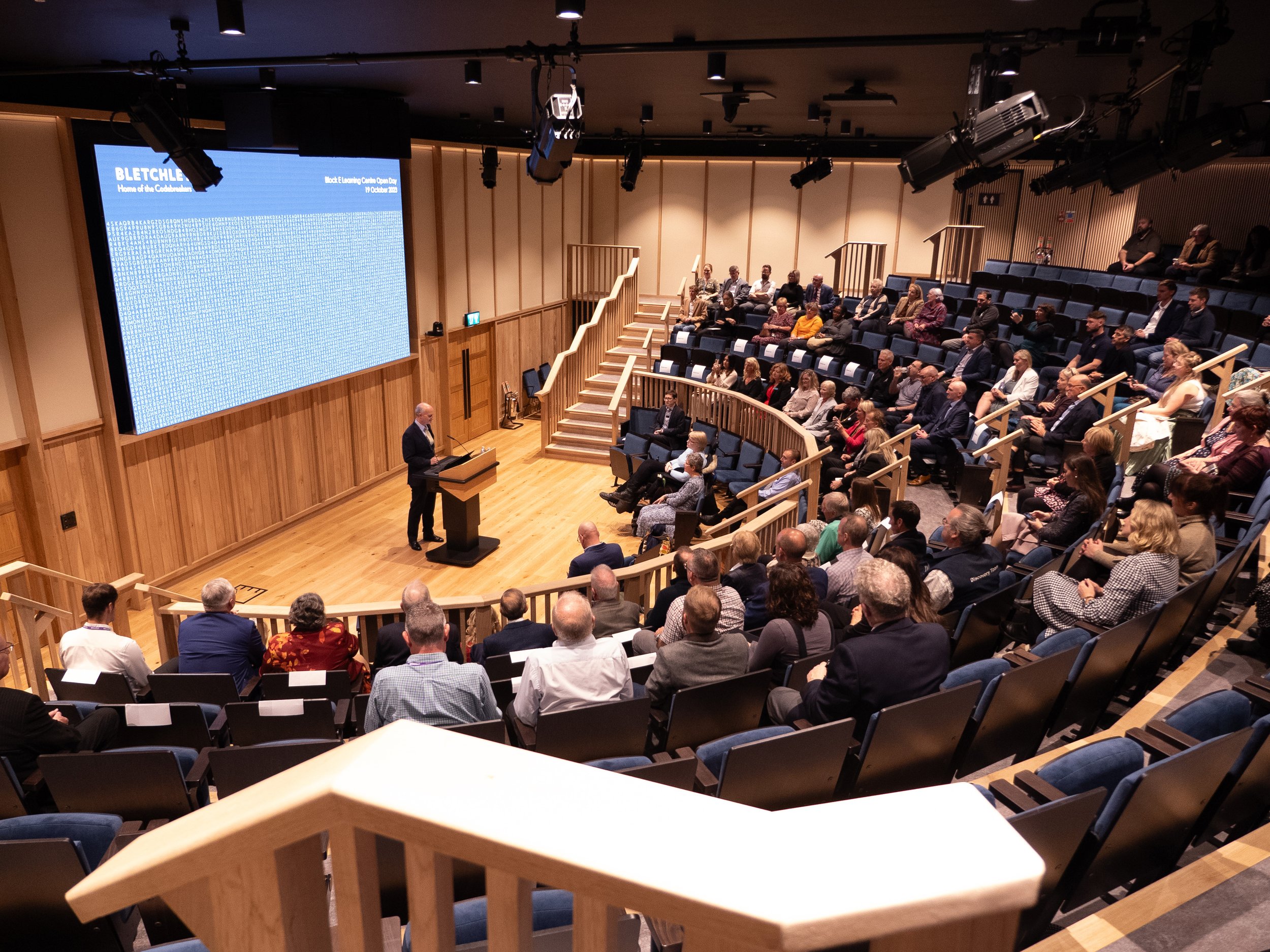
Fellowship Auditorium
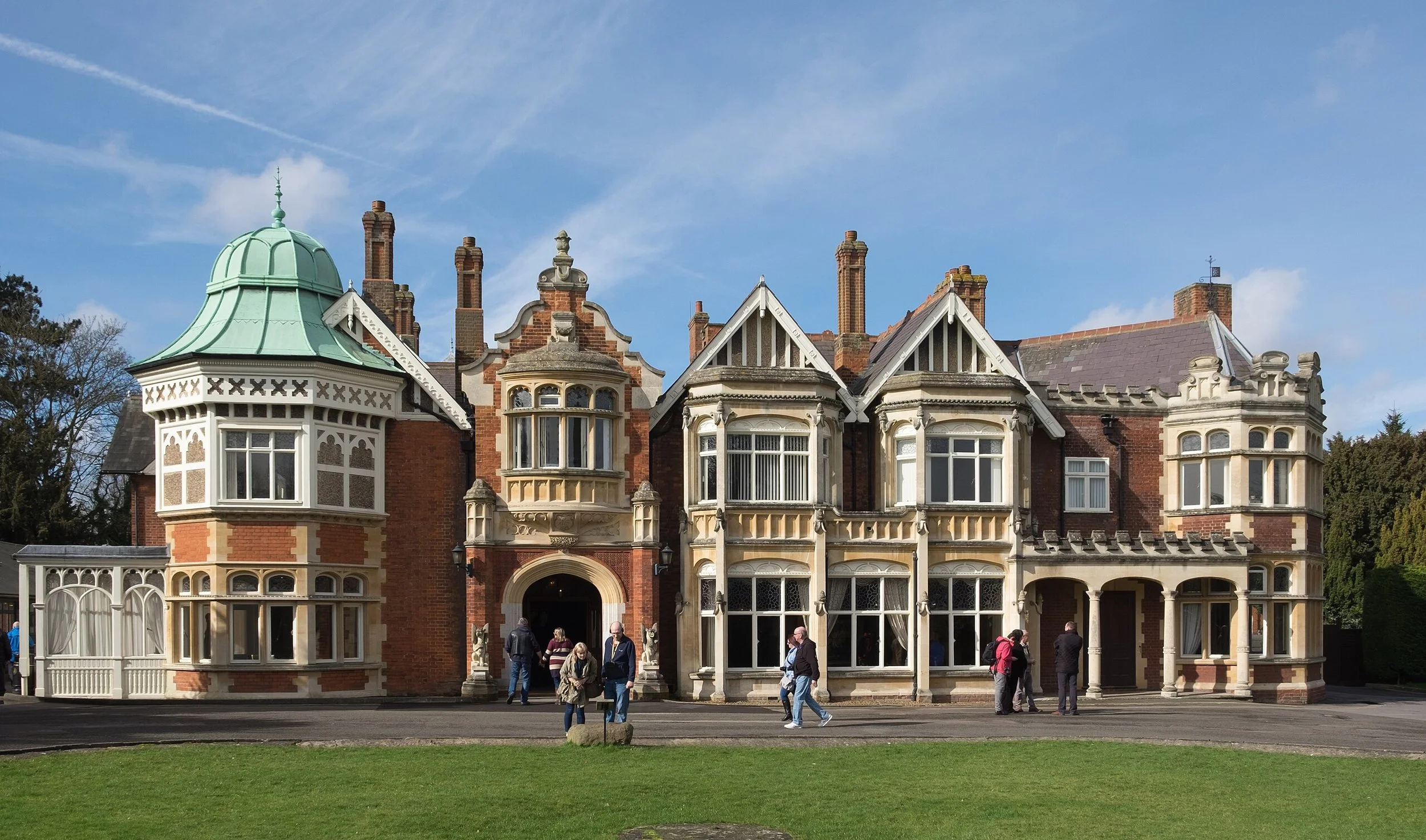
Bletchley Park Mansion
Key Dates
Early Career Researcher Bursary Applications open until 12th April 2026
Accepted ECR Applications notified by 23rd April 2026
Early Bird registration closes 31st July 2026
Conference 16th - 18th September 2026
Early Career Researcher Portal
The Early Career Researcher channel for the Computable 90 conference is open for bursary applications! This is your chance to engage in high-level discussions and explore the enduring influence of Alan Turing's 1936 paper on modern computing. Apply today!
Registration Fees
General admission £230
Early Bird registration fee £180 (while places available) closes 31st July 2026
Early career researcher registration fee (for accepted applicants) £50
Extras (guided tours, conference dinner) – see the Eventbrite page for prices and availability
No refunds will be given except if the conference is cancelled. Make sure your insurance covers eventualities which might make it impossible for you to attend.