
Adopt an Artefact
Do you have a favourite machine, or fond memories of your first computer? Celebrate your connection to computing by adopting one of our unique objects in your name or in memory of a loved one, while helping preserve computing history for future generations.
You can adopt at Silver, Gold or Platinum level, or select a special kids’ option. Our packages are also available as gifts. Your backing will help support our vital work behind the scenes, in particular the volunteer-led work on repair, restoration and maintenance of systems.
All levels come with a certificate and an exclusive TNMOC gift. See full details below:
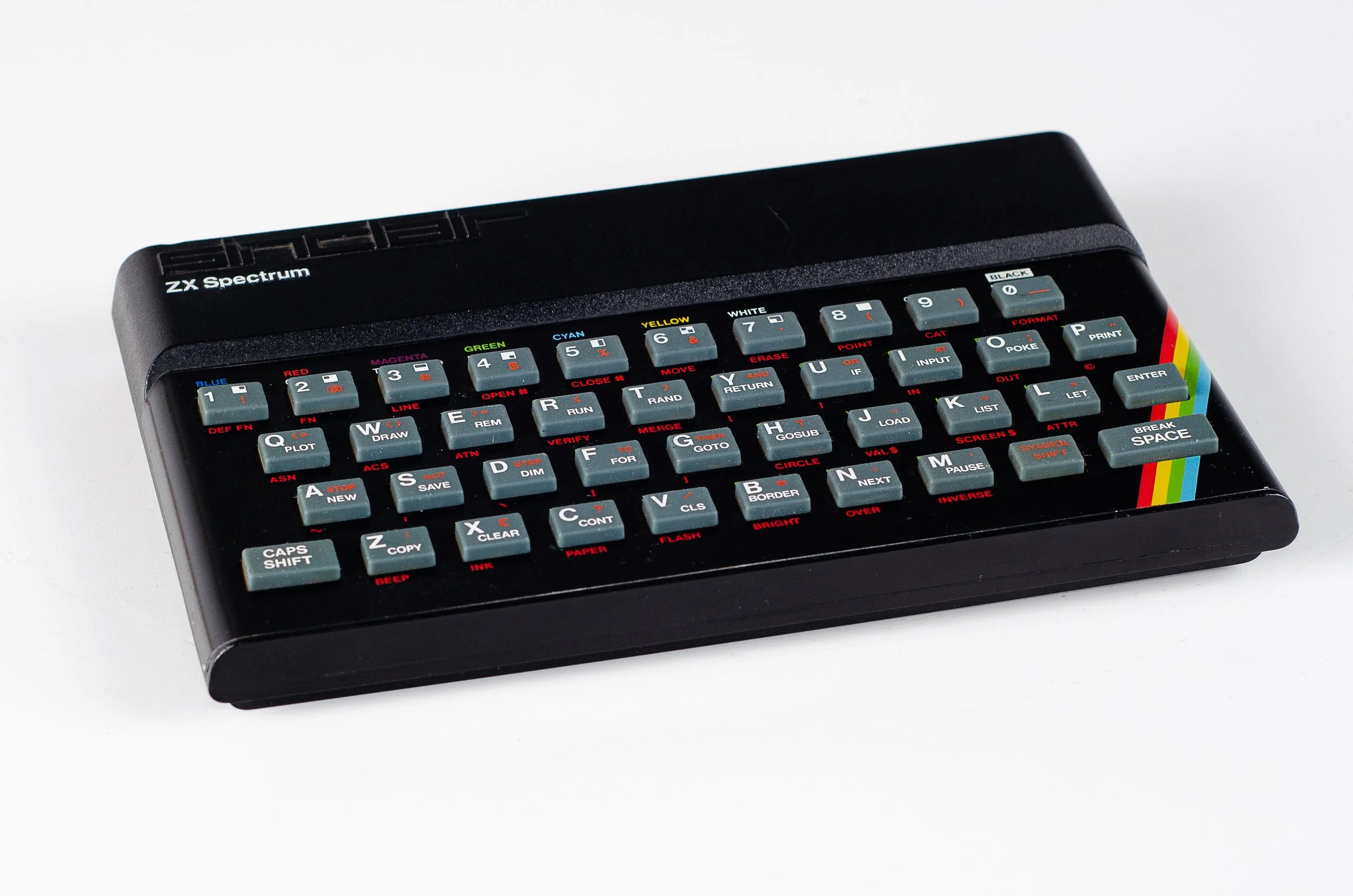
Sinclair ZX Spectrum
Sponsor level: Kids
With its rubber keyboard, compact size and rainbow-banded case, the Sinclair ZX Spectrum was a revelation in home computing. It might have just started at 16Kb of memory, but the Spectrum’s entry price of £125 put it within reach of young computer fans back in 1982. It brought to the home colour-screen computing and games previously only available in arcades.
Gift: Museum fridge magnet containing a photo of our Sinclair ZX Spectrum

Colossus valve
Sponsor level: Kids
Colossus was central to the Allies’ work in cracking the military communications of Adolf Hitler and his top commanders in World War II from an encryption machine that was capable of a near infinite number of variations. A key component of the Colossus success was the thermionic valves that could perform millions of switches per second. Each of Bletchley Park’s Colossi used a bank of 2,500 valves, helping make Colossus the fastest computer of its time.
Gift: Museum fridge magnet containing a photo of Colossus.
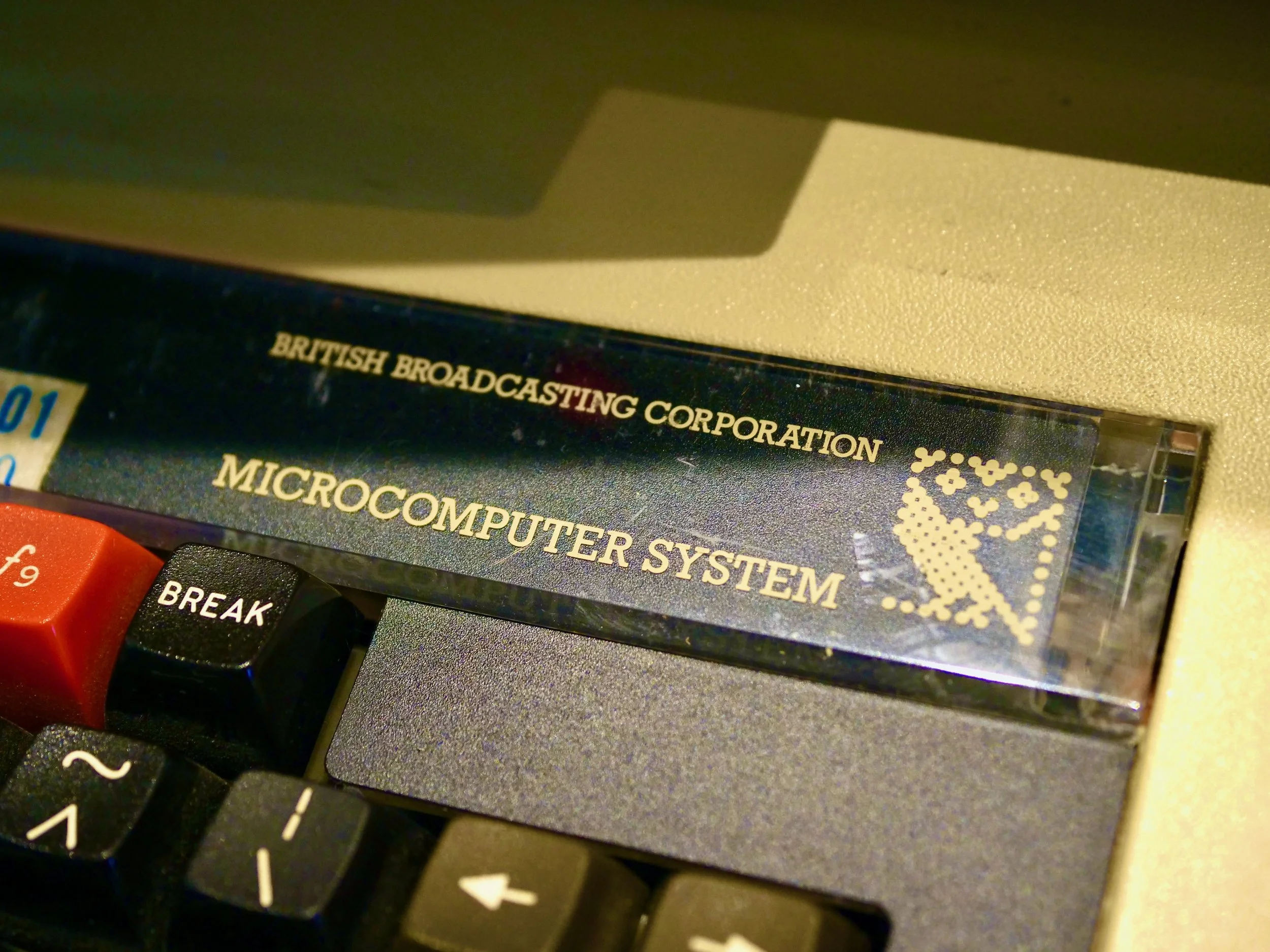
BBC Micro
Sponsor level: Silver
Before computers were commonplace in schools, in the early 1980s, the BBC commissioned a system capable of supporting its programs and spreading computer literacy. Acorn Computers won the BBC contract and would go on to deliver 1.5 million Micros, affectionately known as “Beebs”. It made a huge impact on education in Britain, setting many young learners on a path to a career in technology. We have 18 BBC Micros, all in working order and used as part of the museum’s teaching programme.
Gift: Keyring featuring a BBC Micro keyboard key.

Colossus valve
Sponsor level: Silver
Become a pivotal supporter of computing history with the Silver Colossus Valve Adoption Package. For £35, you can adopt a Colossus valve and help preserve the legacy of the world’s first programmable digital computer. This exclusive package offers a range of benefits and a unique gift as a token of appreciation for your support.

Harwell Dekatron/WITCH
Sponsor level: Silver
Recognised in 1973 by the Guinness Book of Records as “the world’s most durable computer”, our Harwell Dekatron/WITCH is a survivor. Developed to automate the hand calculations of people working out the maths for Britain’s first nuclear power stations, it enjoyed a second life in academia being used to teach computing, before it was retired and eventually consigned to storage. We rescued the Dekatron/WITCH and returned it to full working order in 2012, making this the world’s oldest operating digital computer.
Gift: Notebook showing a picture of the WITCH, made using 3.5 inch floppy disks.

Commodore PET
Sponsor level: Gold
Commodore International was an electronic calculator manufacturer who - faced with diminishing sales prospects - needed something new. Commodore in 1977 therefore introduced what would become an icon: The Commodore PET. With a 6502 processor, Basic in ROM, integrated screen, keyboard and cassette deck, this futuristic-looking system delivered everything needed in a home computer at that time.
Gift: A set of four coasters, each with a custom-printed image of the Commodore PET.
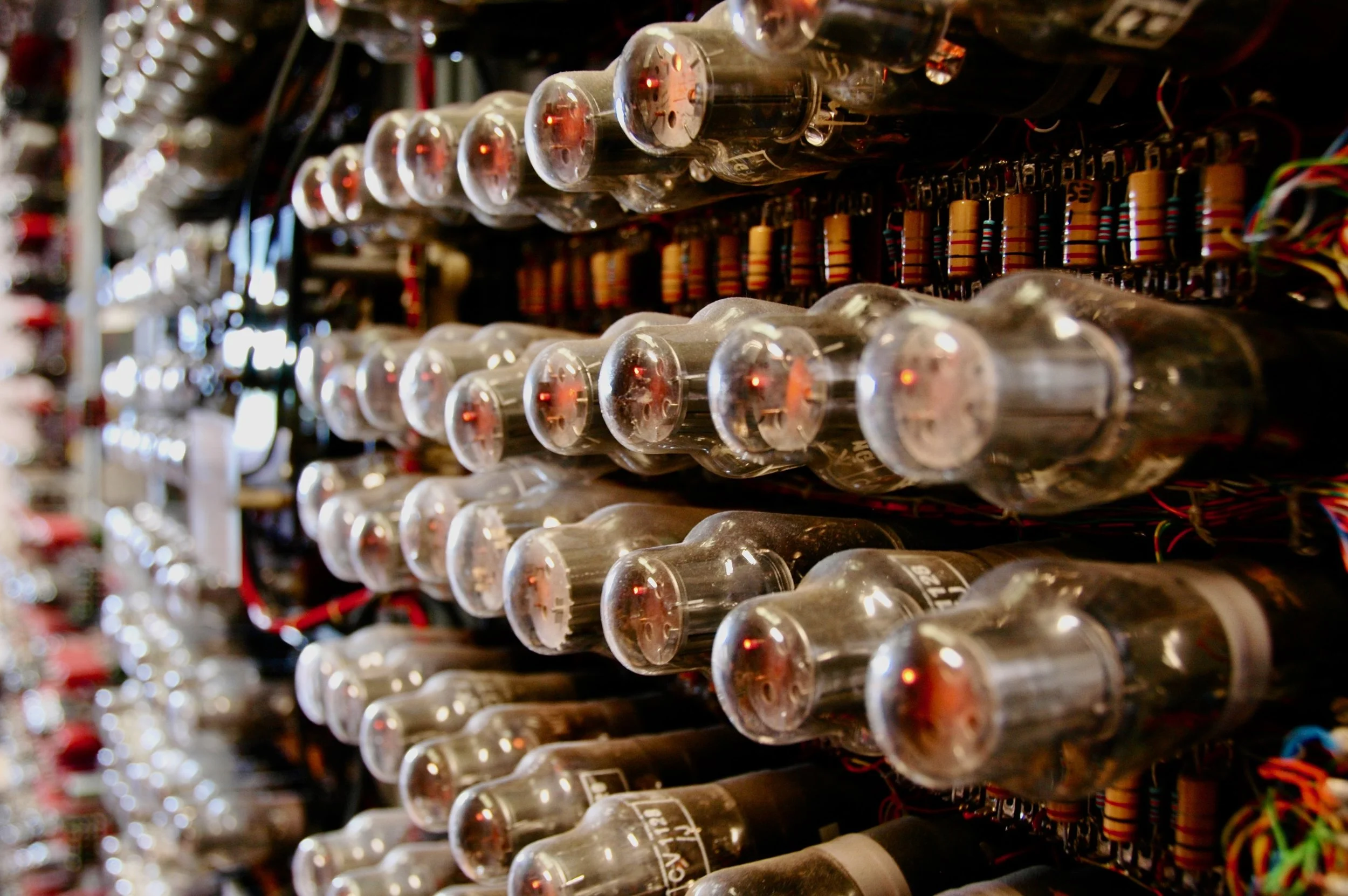
Six pack of Colossus valves
Sponsor level: Gold
Installed in banks of 2,500, thermionic valves were the key innovation in Colossus. They allowed this computer to perform the necessary switching speeds, in the volume required to perform the complex mathematical calculations needed to crack the German military’s most advanced encryption during World War II. You can see these valves in action as part of the world’s only Colossus rebuild at TNMOC.
Gift: 3D-printed Colossus valve with colossus paper tape inside.

Apple II
Sponsor level: Gold
Before the iPhone, MacBooks - even before the ‘Mac’ - came the Apple II, the company’s first successful personal computer. Released in 1977, a year after Apple was founded, the Apple II put personal computing in the home, education market and businesses - the latter thanks to the powerful VisiCalc spreadsheet application. It offered a colour screen, attractive casing and expandability. Updated versions would continue to be developed and sold into the 1990s.
Gift: A set of four coasters, each with a custom-printed image of the Apple II.
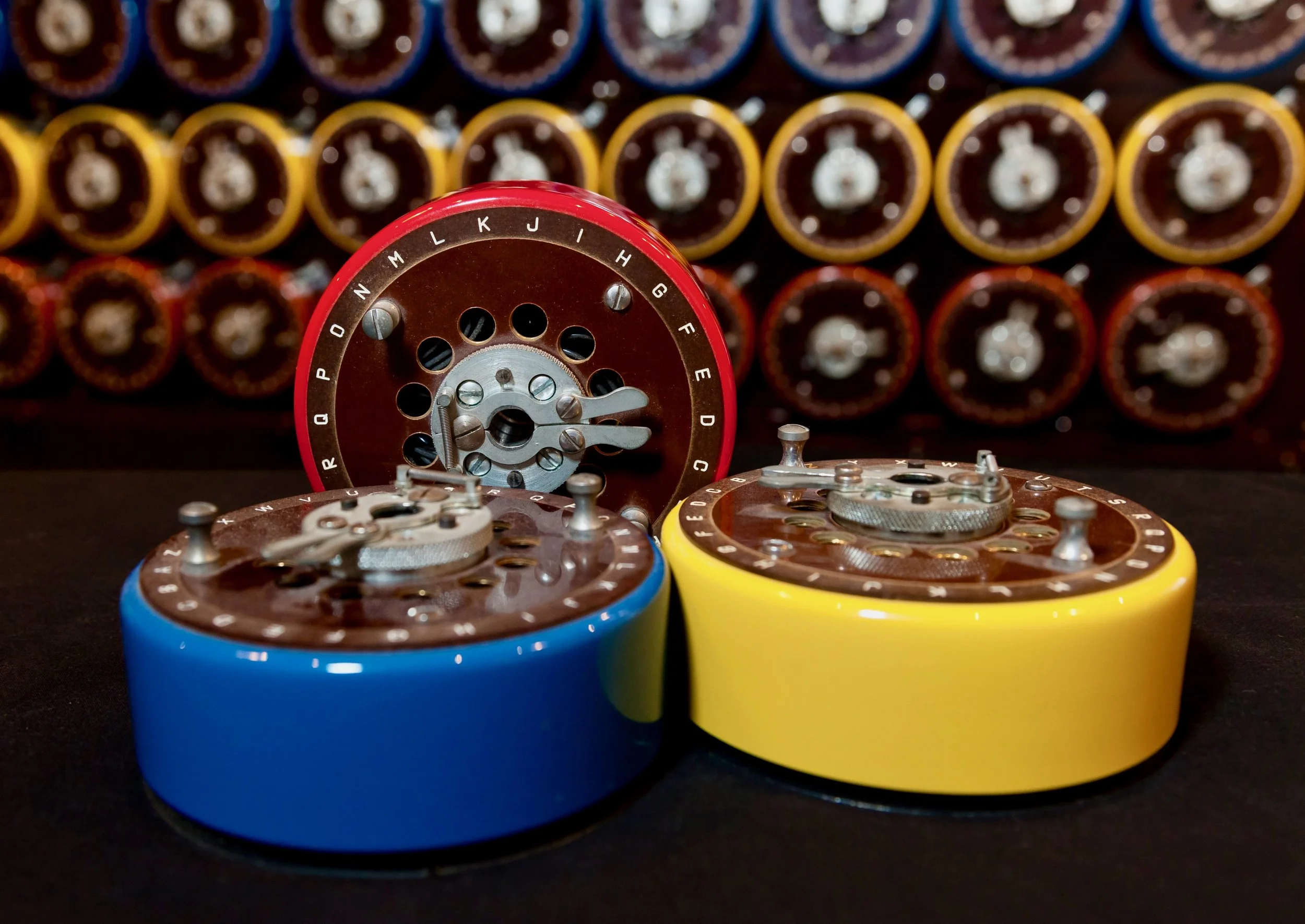
Bombe drum
Sponsor level: Gold
Become a key supporter of computing history with the Gold Bombe Drum Adoption Package. For just £55, you can adopt a Bombe drum and help preserve the legacy of one of the most important codebreaking machines of World War II. This adoption package comes with exclusive benefits and unique gifts to commemorate your support.
Gift: A custom-made, Enigmatix encoding wheel made to look like a rotor

Elliott 903
Sponsor level: Gold
The Elliott 903 from the lost and legendary Elliott Automation, represents a generation of computer that emerged around the mid-1960s from manufacturers trying to make computers affordable and practical for everyday use by “ordinary” users. Available in a range of configurations, the 903 was used for industrial and scientific applications and data processing by those in education, industry and design. Input and output was via hole-punched tape.
Gift: A set of four coasters, each with a custom-printed image of Elliott 903 and two with hole-punched tape.

World War II cryptography bundle
Sponsor level: Platinum
Cryptography didn’t stand still during World War II - nor did efforts to break the enemy’s communications. As the codes evolved, so did the mathematics and the machines to crack them. Our platinum-level, wartime cryptography bundle lets you sponsor our ongoing work on Colossus, Bombe, Tunny and Heath Robinson. Each of these machines represents a distinct phase in the cryptography arms race and each performed a vital function in the interlinked process of cracking the crypto and deciphering the enemy’s messages.
Gift: Colossus Mug and Bombe Notebook , made using 3.5 inch floppy disks
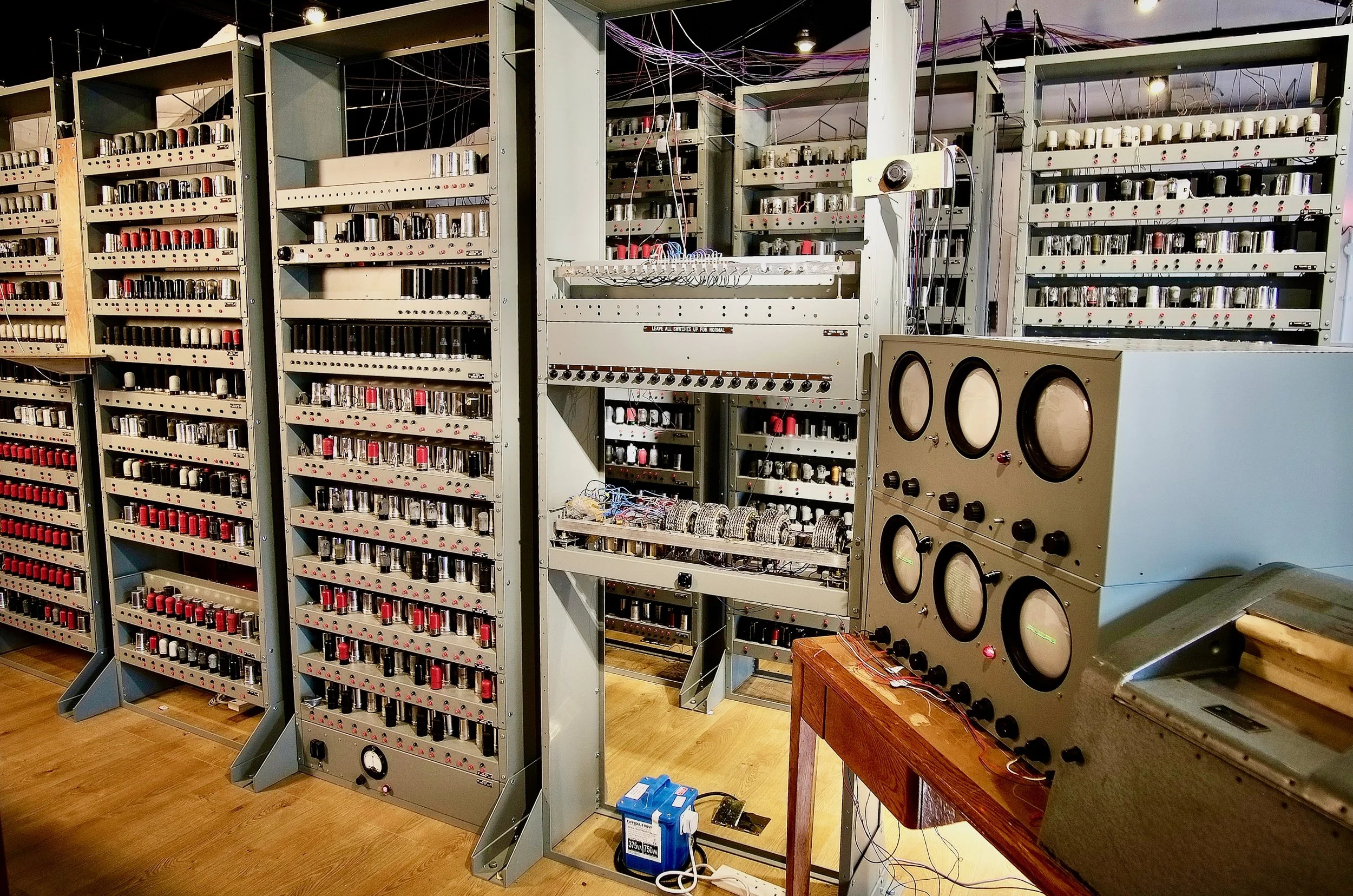
Modern electronic computing pack
Sponsor level: Platinum
From EDSAC, the first practical, general purpose, stored program electronic computer, to the PCs of the 1990s - we chart the story of modern electronic computing and how it shaped the way we work, learn and relax. As a Platinum sponsor you will fund the EDSAC rebuild project, the running and maintenance of the Harwell Dekatron/WITCH, Elliot 803 and 903, our Large Systems Gallery, and PCs both from the golden age of the 1980s, such as the BBC Micro, and the expansion of networked computing during the 1990s.
Gift: Jigsaw Puzzle - Apple 1 Motherboard a Colossus mug


Finally, the all-important small print…
Adoptions last 12 months from date of purchase. The National Museum of Computing reserves the right to remove items from display to undertake essential maintenance and conservation work.
Please check on our website for current location if you are travelling to see your object.
Once you have completed your adoption, your digital certificate will be emailed to you, please allow up to five working days.
If your adoption is a gift, we will take the necessary name and contact details of the recipient when purchasing the adoption and the personalised certificate along with the gift will be sent to them.
We will request consent to use your name for publicising your adoption within the museum and online and give you the option to specify what you want us to use if you do not want your full name used.
Thank you for supporting the museum and its on-going activities and restoration projects.